




#isleofwight #folkmusic #oldest #periodinstruments #violin #bassoon #lute
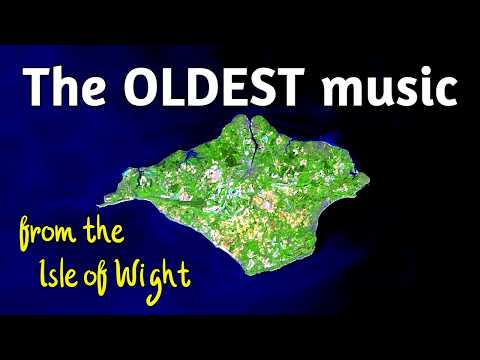
These are some of the oldest surviving pieces of music from the Isle of Wight:
1. The Newchurch Carol
2. The Herring Song
3. The Isle of Wight Hornpipe
4. Major Malley's Reel
This is a live performance of this medley, played on period instruments by:
Miranda Dodd - violin
Chris Hirst - mandora
Matthew Dodd - bassoon
In previous centuries, the Isle of Wight was primarily a rural area based on farming and fishing. The separation from the mainland made it a little isolated, and new trends in music took time to reach the island. As a mainly rural location, the music played was mainly what we would today call folk music, which was often not written down.
Following research and speaking to local experts, the earliest known piece that mentions the Isle of Wight specifically seems to be the Newchurch Carol. This survives in earlier words only, and a setting for SATB choir from c.1840. This is in the form of a Christmas Carol, hence the name. It seems likely that the tune originates from earlier than this setting. In our version, the top line and bassline are retained from the choir version, then the tune is heard again with variations. There were a large number of publications in the late 18th and early 19th centuries of folk tunes with written out variations, which is what these are based on.
The Herring Song survived orally as a fishing song or sea shanty, that was notated at some point later on. The song has quite a few verses, with a refrain that keeps returning. There are versions of this song from other areas, with some differences as the tunes often travelled around with sailors and fishermen. Our version is again heard first in it's basic simple form, then with variations.
The hornpipe is another form with nautical associations, this time instrumental, which accompanied a distinctive dance. There are many mentions of hornpipes dating from as far back as medieval times, but it became very common amongst sailors from the 17th century on. There are a large number of hornpipes in publications of popular tunes from Playford (1669) on, and it assumed it's current form in the early 19th century which is probably when the Isle of Wight Hornpipe dates from. It is played with an uneven, almost dotted rhythm first, and strongly accented 2nd and 3rd beats of the bar at the end of each phrase. It gradually speeds up to build energy towards the final piece, Major Malley's Reel. This tune comes from the Hardy family manuscripts, books of popular tunes notated by the grandfather and father of the famous Dorset writer Thomas Hardy. The books date from the late 18th and early 19th centuries. Whilst not specifically associated with the Isle of Wight, it is know that Dorset farmers came to work on the island, and these popular tunes would travel around the country, appearing in various sources.
The instruments used are typical of those used in the late 18th century - violin with gut strings and period bow, bassoon with limited keys, and the mandora, a type of lute used at the time. If you enjoyed this video, please help us to produce more by subscribing to the channel, where you will find plenty more lute related content and other folk styles such as Portuguese and Neapolitan traditional music. You can find more information on the mandora used in this video here: https://youtu.be/HzexBS6-IUM
Facebook page is here, where I update most regularly:
https://www.facebook.com/quatrapuntal
These are some of the oldest surviving pieces of music from the Isle of Wight:
1. The Newchurch Carol
2. The Herring Song
3. The Isle of Wight Hornpipe
4. Major Malley's Reel
This is a live performance of this medley, played on period instruments by:
Miranda Dodd - violin
Chris Hirst - mandora
Matthew Dodd - bassoon
In previous centuries, the Isle of Wight was primarily a rural area based on farming and fishing. The separation from the mainland made it a little isolated, and new trends in music took time to reach the island. As a mainly rural location, the music played was mainly what we would today call folk music, which was often not written down.
Following research and speaking to local experts, the earliest known piece that mentions the Isle of Wight specifically seems to be the Newchurch Carol. This survives in earlier words only, and a setting for SATB choir from c.1840. This is in the form of a Christmas Carol, hence the name. It seems likely that the tune originates from earlier than this setting. In our version, the top line and bassline are retained from the choir version, then the tune is heard again with variations. There were a large number of publications in the late 18th and early 19th centuries of folk tunes with written out variations, which is what these are based on.
The Herring Song survived orally as a fishing song or sea shanty, that was notated at some point later on. The song has quite a few verses, with a refrain that keeps returning. There are versions of this song from other areas, with some differences as the tunes often travelled around with sailors and fishermen. Our version is again heard first in it's basic simple form, then with variations.
The hornpipe is another form with nautical associations, this time instrumental, which accompanied a distinctive dance. There are many mentions of hornpipes dating from as far back as medieval times, but it became very common amongst sailors from the 17th century on. There are a large number of hornpipes in publications of popular tunes from Playford (1669) on, and it assumed it's current form in the early 19th century which is probably when the Isle of Wight Hornpipe dates from. It is played with an uneven, almost dotted rhythm first, and strongly accented 2nd and 3rd beats of the bar at the end of each phrase. It gradually speeds up to build energy towards the final piece, Major Malley's Reel. This tune comes from the Hardy family manuscripts, books of popular tunes notated by the grandfather and father of the famous Dorset writer Thomas Hardy. The books date from the late 18th and early 19th centuries. Whilst not specifically associated with the Isle of Wight, it is know that Dorset farmers came to work on the island, and these popular tunes would travel around the country, appearing in various sources.
The instruments used are typical of those used in the late 18th century - violin with gut strings and period bow, bassoon with limited keys, and the mandora, a type of lute used at the time. If you enjoyed this video, please help us to produce more by subscribing to the channel, where you will find plenty more lute related content and other folk styles such as Portuguese and Neapolitan traditional music. You can find more information on the mandora used in this video here: https://youtu.be/HzexBS6-IUM
Facebook page is here, where I update most regularly:
https://www.facebook.com/quatrapuntal
- Catégories
- Cours de Basse
- Mots-clés
- isle of wight, isle of white, oldest music
Ajouter un commentaire
Up Next
Autoplay
-
03:38

Île de Wight : retour sur un festival de légende
-
11:55:00
St. Paddy's Patrick's Day Celebration Music - Traditional Celtic Folk Tunes ????
-
2:50:49
2 NGÀY TÁI SINH TRƯỚC TẬN THẾ ZOMBIE TÔI SỞ HỮU DỊ NĂNG THU PHÓNG Full Trọn Bộ |Tận Thế |Bạch Mỹ Sub
-
28:16
Tin thế giới hôm nay: Iran phát lệnh “truy sát” Starlink; "Thần chết diệt tăng" có thể phá trận TQ
-
02:09
Michel Delpech - Wight is Wight - Niveau Avancé - Piano (avec partition)
-
05:01

Bryan.G - Les Couleurs De L'amour
-
06:07
Cours De Guitare - Gipsy Kings : Bamboleo (2/8) Rythmique
-
04:45
Démonstration De Fleurs Réalisées à La Peinture à L'huile Et Au Couteau, Par Catherine VICTOIRE
-
01:14

Générique TARATATA (Musique Composée Par Jean-Jacques Goldman)
-
04:12

Run Away With Me by Section C
 Chargement...
Commentaires